
- The procedure is faster, more precise, and effectively reduces swelling and discomfort after surgery.
- Each missing tooth case is different; the dentist will analyze your individual case in detail.
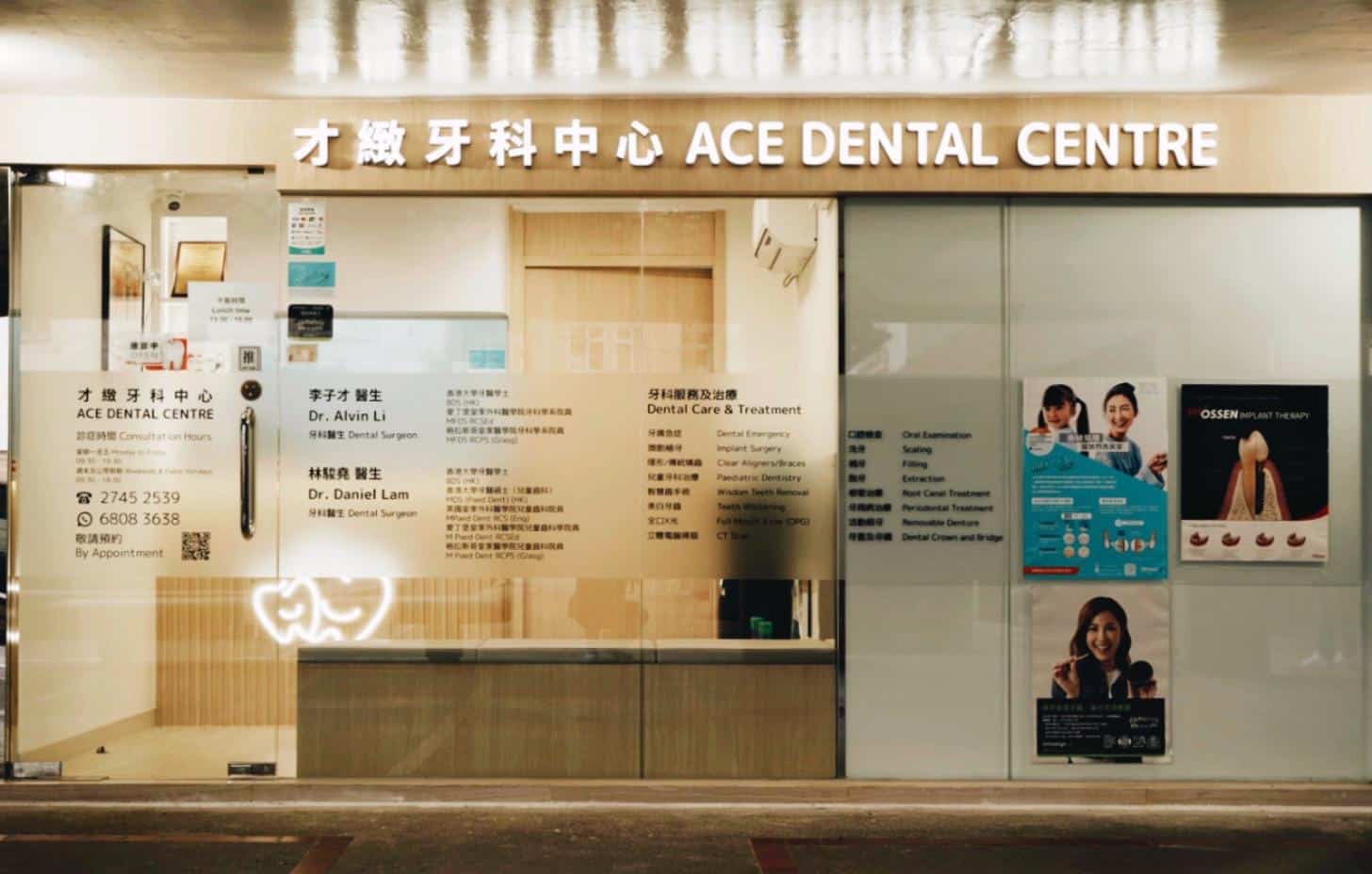
Hong Kong Dental Clinic - Ace Dental Centre

Google Rating 4.9
Our two Ace Dental Centre clinics have received over 200 positive reviews. Our professional and caring service is highly recognized by the Hong Kong public.
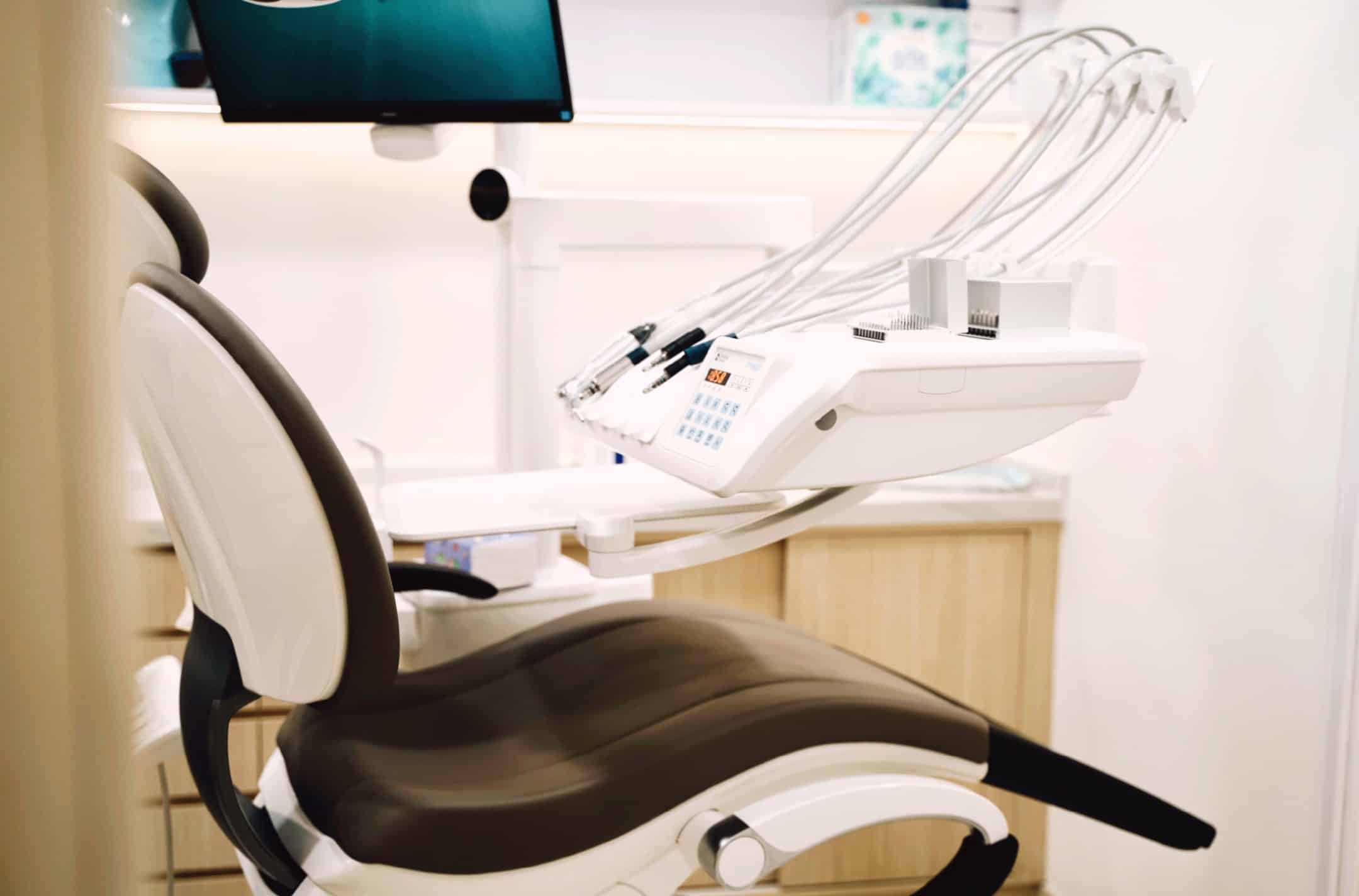
Ace Dental Centre - Our Philosophy
Ace Dental Centre is committed to serving the people of Hong Kong and providing quality dental care, making us your top recommended dental clinic. We believe healthy teeth improve appearance and chewing, and enhance quality of life.
Affordable Pricing
Ace Dental Centre aims to provide an affordable dental platform for patients in need.
We offer one or more treatment options based on your oral condition, so you can choose the most suitable plan.
Professional Team
Our team of doctors all graduated from The University of Hong Kong and have many years of clinical experience solving various dental issues for patients.
Patient-Centered
Every patient’s oral condition is unique, and treatment expectations vary. Our treatment plans are customized for each individual. We also offer emergency dental care to relieve toothache as soon as possible.
Quality & Maintenance Focused
We aim to provide durable treatments to minimize future repairs.
For certain procedures, we offer ongoing follow-up and maintenance so you can have peace of mind if issues arise.
Youth Dental Care Pilot Programme
Ace Dental offers the "Youth Dental Care Pilot Programme" for eligible applicants.
Each eligible person can receive one subsidized service per year from participating dentists. Co-payment required.
Caring Fund & Medical Voucher
Ace Dental offers "Caring Fund" and "Medical Voucher" services for those in need.


Dental Classroom
How often should I get scaling (cleaning)?
- Generally, scaling should be done at least once a year, and the dentist will check your mouth during cleaning.
- For those with periodontitis or gum disease, the dentist may recommend scaling every six months or more frequently to maintain gum health and prevent worsening.
Why do teeth feel sensitive or gums bleed during/after scaling?
- Possible reasons for tooth sensitivity after scaling:
- Removal of tartar around the roots can cause temporary sensitivity, which usually improves in 1–2 weeks.
- For some people, tartar has been present for a long time, causing gum/bone recession and exposing dentin/root. Stimuli (cold/hot/sour/sweet foods and drinks, brushing/flossing) can trigger sensitivity.
- Bleeding after scaling is due to poor oral hygiene and long-term plaque at the gumline and between teeth. Bacteria release toxins causing gum inflammation. After cleaning, gums need time to recover and careful brushing prevents recurrence.
Does scaling damage teeth or widen gaps?
- No. Tooth enamel is the hardest substance in the body; ultrasonic instruments only remove tartar and do not harm teeth.
- Gaps may look wider for two reasons:
- In healthy gums, tartar buildup can make gaps appear smaller. After cleaning, gaps may look bigger.
- For those with gum disease, gums shrink after inflammation improves, making gaps seem larger.
Why do I bleed when brushing/flossing?
- Poor oral hygiene causes plaque to accumulate at the gumline and between teeth. Bacteria in the plaque irritate gums, causing inflammation and bleeding when brushing or flossing.
How to handle wisdom tooth pain?
- If you have wisdom tooth pain, see a dentist as soon as possible and follow their advice.
- At home, try rinsing with salt water and keep your mouth clean.
- Wisdom tooth pain is usually caused by poor cleaning. If not treated or removed, the pain may recur or affect adjacent teeth.
When is tooth extraction needed?
- There are many reasons for extraction. The most common are wisdom tooth infection, gum inflammation, cavities, or affecting/damaging other teeth. Food can get stuck and is hard to clean, leading to problems like wisdom tooth cavities, inflammation, and pain. Wisdom teeth often grow at an angle (impacted teeth), causing issues for adjacent teeth. Some people develop cysts which may damage bone, teeth, and nerves. These problems can also happen to other teeth, so extraction is often recommended.
Why are my tooth roots more exposed?
- Possible causes of exposed tooth roots:
- Long-term overbrushing and abrasion
- Poor oral hygiene leading to gum disease or periodontitis
- Smoking and tobacco use
- Severe grinding/malocclusion places pressure on gums, causing recession
Can receded gums grow back?
- Gums that have receded due to inflammation will not grow back. Seek dental care as soon as possible to treat and improve oral hygiene and prevent worsening.
Should decayed/loose baby teeth be removed early?
- Decayed teeth cause bad breath; bacteria may spread from the pulp to surrounding tissues, causing inflammation, abscess, and affecting bone development.
- Loose baby teeth usually fall out naturally, but if the permanent tooth has started to erupt at the same spot, see a dentist to remove the baby tooth and avoid crowding.
Should I choose dental implants or removable dentures for missing teeth?
- There are two main types of tooth replacement: removable and fixed.
- Removable dentures: Most common and non-surgical, but may not look or function as well as bridges/implants depending on your needs.
- Bridge: A traditional fixed prosthesis cemented onto the teeth in front and behind the gap; requires shaving down those teeth.
- Implant: A modern fixed prosthesis; a post is surgically placed in the bone and a crown attached, with no damage to other teeth and strong bite force.