


Having straight, white teeth not only boosts your image but also improves oral health. However, not everyone is born with perfectly aligned teeth. That’s why orthodontics (commonly known as braces) is an effective solution for misalignment and bite problems, helping people of all ages improve their oral function and appearance. Ace Dental provides a comprehensive guide to braces in Hong Kong, including options for different age groups.
Who Needs Braces?
Many think only crooked teeth need braces, but in fact, people with the following situations should also consider orthodontic treatment:
- Crowded teeth: Not enough jaw space causes teeth to be misaligned, crowded, or overlapping, and may affect the growth of other teeth.
- Spacing: Large gaps between teeth, affecting both appearance and chewing function.
- Jaw malocclusion: Such as protruding upper jaw (overbite) or recessed lower jaw (underbite), which affect facial proportions and bite efficiency. Early orthodontic treatment is recommended.
- Cleft lip/palate: Cleft patients often have misaligned teeth, affecting function and appearance, and need orthodontic treatment.
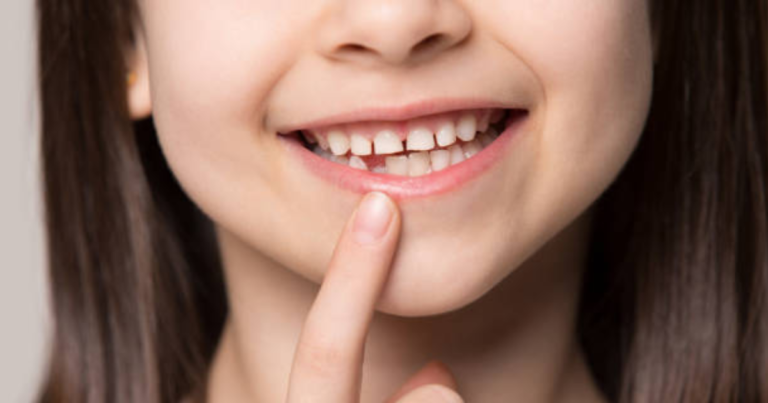
- Preventive orthodontics: In children, early loss of baby teeth or other factors can cause misalignment; early braces can prevent future jaw issues.
Braces by Age Group
When is the golden period for braces? Generally, it’s during childhood and adolescence, but adults can benefit too. Here are recommendations for different age groups:
- Primary teeth stage (ages 3-5): Focus on preventive orthodontics by observing and correcting bad oral habits early to avoid affecting tooth development.
- Mixed dentition (ages 8-12): The critical period for tooth replacement and functional correction. If misalignment or bad bite occurs, timely orthodontics can guide healthy tooth growth.
- Early permanent teeth (ages 11-15): This is the “golden period” for braces—permanent teeth have just erupted, jaws are still developing, so treatment is most effective and usually faster.
- Adulthood (18+): Although adult bones are set, modern braces technology can still improve misalignment and bite problems. Adults can achieve great results too.
Children’s Orthodontic Options
Here’s a comparison of common orthodontic options for children depending on their development:
| Appliance | Features & Functions | Recommended Daily Wear |
| MRC Myofunctional Appliance | Corrects bite, improves oral muscle habits, promotes dental arch development | Wear as instructed by your dentist |
| Fixed Braces | Applies force for alignment, suitable for crowded or complex cases | Full-time wear |
| Clear Aligners | Aesthetic and comfortable, removable, suitable for mild to moderate crowding | 22-24 hours |
| Removable Appliances | Gentle force, suitable for mild corrections, but requires high compliance | Wear as instructed by your dentist |
Things to Know about Adult Braces
There’s no age limit for braces, but adults face more challenges than teens. Here’s what you should know:
- Difficulty & Duration: Adult bones are set, so teeth move slower and treatment usually takes longer (about 2 years without extractions, 3 years or more with extractions). The more severe the case, the longer it takes.
- Results: If your gums are healthy, adults can achieve excellent results. However, after treatment, retainers must be worn long-term to prevent relapse.
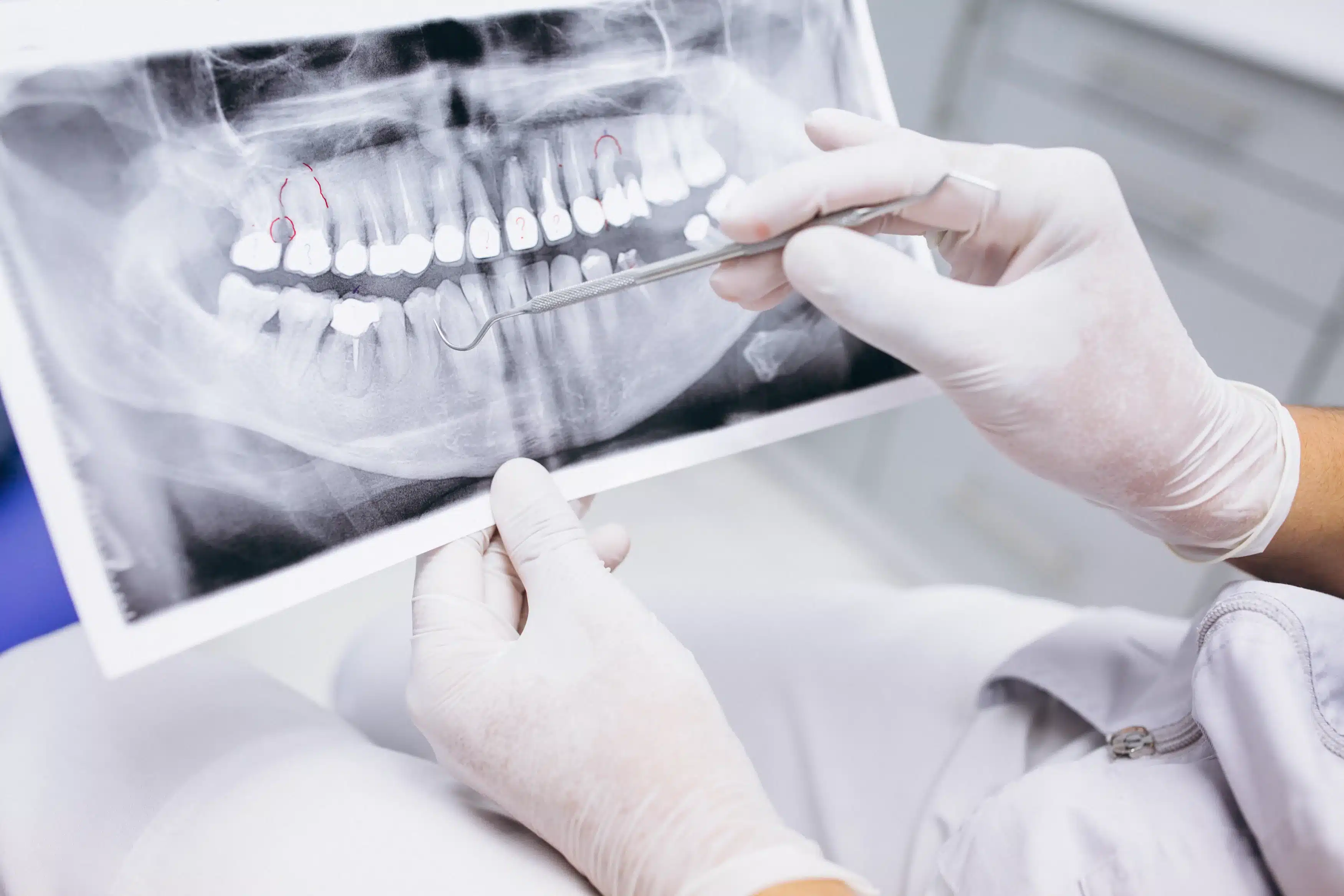
- Pre-treatment check: Before starting braces, get a full dental exam to ensure no gum disease or cavities, and to customize your plan.
- Oral hygiene: Braces make cleaning harder, so step up your oral hygiene routine during treatment.
Comparison of Braces Options
With advances in braces technology, there are now many options to suit various needs. Here are some common braces choices:
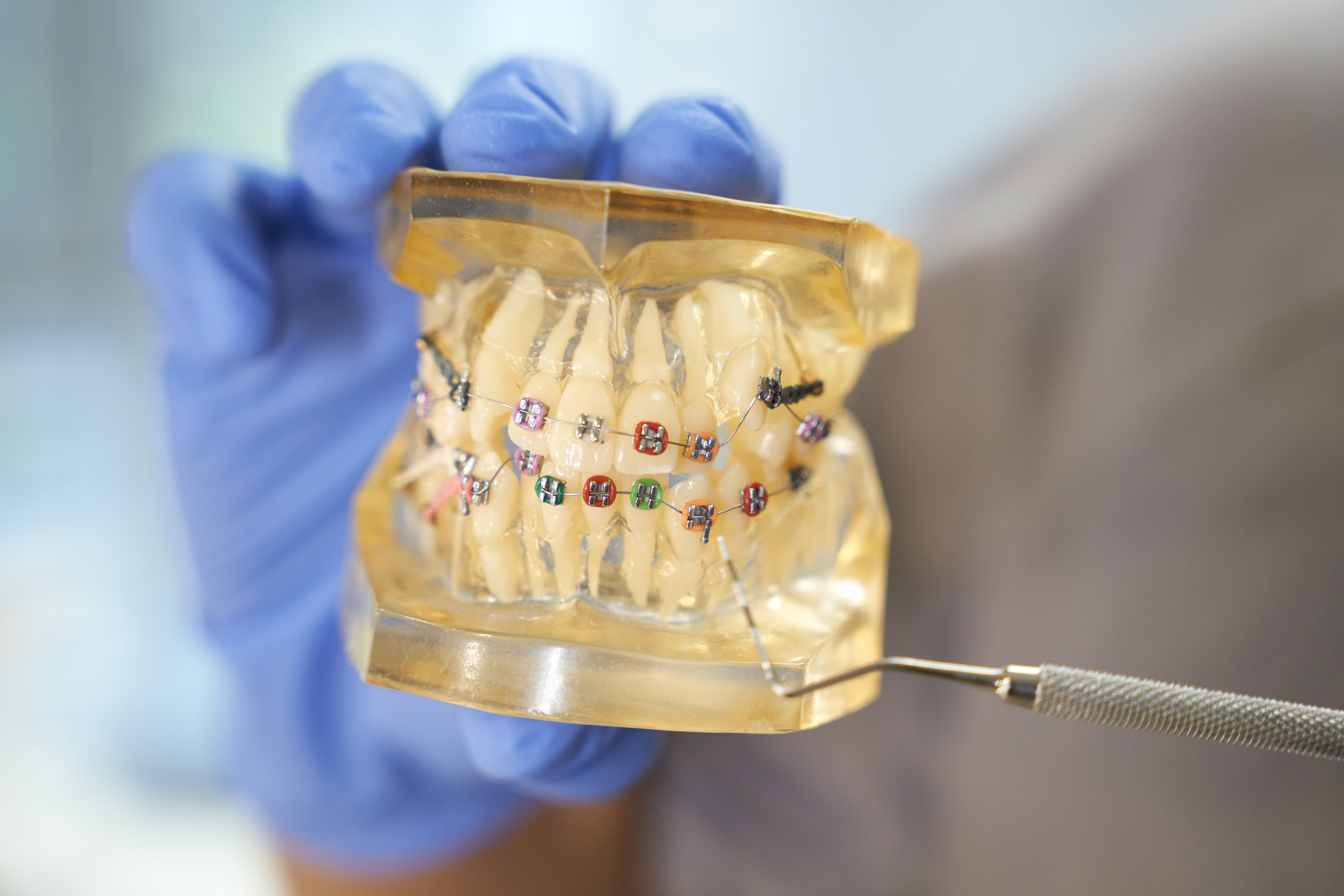
- Traditional Braces: Metal or ceramic brackets, lower cost but less aesthetic.
- Ceramic Braces: Tooth-colored and semi-invisible, more aesthetic but more fragile (may break when biting hard foods).
- Metal Braces: Available in self-ligating and non-self-ligating types, strong and versatile, less aesthetic but affordable.
- Removable Appliances: Can be taken out for cleaning, suitable for mild cases, but require strict compliance for best results.
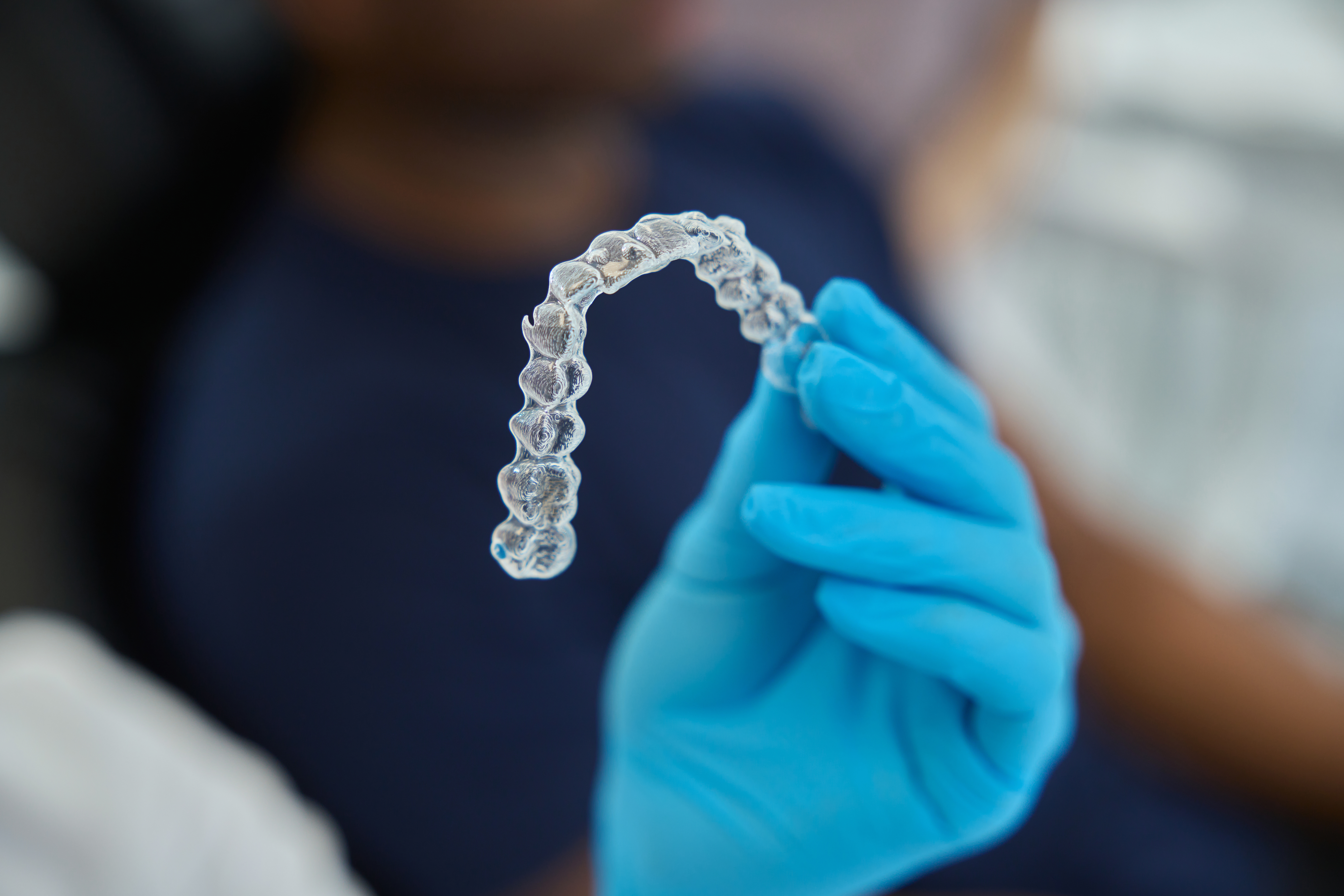
- Clear Aligners: Made of clear polymer, almost invisible and comfortable. Removable for eating and cleaning, with relatively short treatment time.
- Invisalign®: The leading clear aligner brand. Invisalign uses 3D computer technology to custom-make each aligner. Advantages: highly discreet, comfortable, and adjustable throughout treatment. The only downside is higher cost, and some complex cases may require combination with other treatments.
Common Reminders for Braces
- Oral hygiene: Braces make cleaning more difficult, so step up your brushing and rinsing habits.
- Diet tips: Avoid sugary foods to reduce the risk of cavities.
- Regular follow-up: Return for regular check-ups to ensure proper progress and timely adjustments.
Learn more about orthodontics for kids and adults!
Free Orthodontic Consultation
If you’re interested in braces, Ace Dental offers free orthodontic consultations (subject to availability). During your consultation, our professional dentists will answer these questions:
- Do you need orthodontic treatment?: We assess your teeth to determine if treatment is needed.
- Benefits of braces: Ace Dental doctors will explain how orthodontics can improve bite and oral health.
- Best appliance for you: Based on your situation, we’ll recommend traditional braces or clear aligners.
- Treatment time estimate: We’ll provide an estimate of duration and progress.
- Will you need extractions?: The dentist will advise if extractions are needed for your case.
To learn more or book a free consultation, contact us now!
Braces are a complex and precise medical process. The best results come from choosing the right appliance and timing for your own needs. Whether you’re a teen or adult, as long as your gums are healthy, you can achieve straighter, more beautiful teeth with braces.