


Scaling is an important step for maintaining oral health, but different types of scaling are suited to different needs. In general, dental clinics offer both regular and deep cleaning (scaling) services. So, what’s the difference? When should you choose deep cleaning? This article explains the details to help you choose the right cleaning method and prevent the onset and worsening ofperiodontal disease.
1. What is regular scaling?
Regular scaling mainly cleans tartar and plaque from the tooth surface. It is preventive care and is usually recommended every 6 months.
A. Steps of regular scaling
- Ultrasonic tartar removal: Using an ultrasonic scaler to loosen and remove tartar and plaque from the teeth.
- Polishing: If there are many stains/plaque, Ace Dental dentists will polish the teeth to make the surface smoother, reduce plaque attachment, and lower the risk of periodontal disease.
- Fluoride application (optional, extra charge): Helps strengthen enamel and reduce the risk of cavities.
B. Who is regular scaling for?
- People with good oral health and no signs of periodontal disease.
- Mainly for preventing tartar buildup and maintaining oral cleanliness.
- Those with mild gingivitis but not yet severe periodontitis.
2. What is deep cleaning (deep scaling)?
When tartar builds up under the gums, it can lead to periodontal disease (gingivitis or periodontitis). Deep cleaning, also called periodontal therapy, is aimed at treating periodontal disease by removing tartar and bacteria below the gum line to prevent worsening inflammation.
A. Steps of deep cleaning
- Subgingival scaling (deep cleaning): Special periodontal curettes are used to clean tartar and bacteria from the root surface under the gums, reducing the risk of periodontal disease progression.
- Pocket irrigation: Antibacterial solutions are used to rinse periodontal pockets and reduce infection risk.
- Root planing: The root surface is smoothed to prevent bacteria from re-adhering and reduce the risk of periodontal disease recurrence.
- Follow-up and further treatment: Periodontal patients may require several deep cleanings and additional treatments (such as medication or surgery).
B. Who is deep cleaning for?
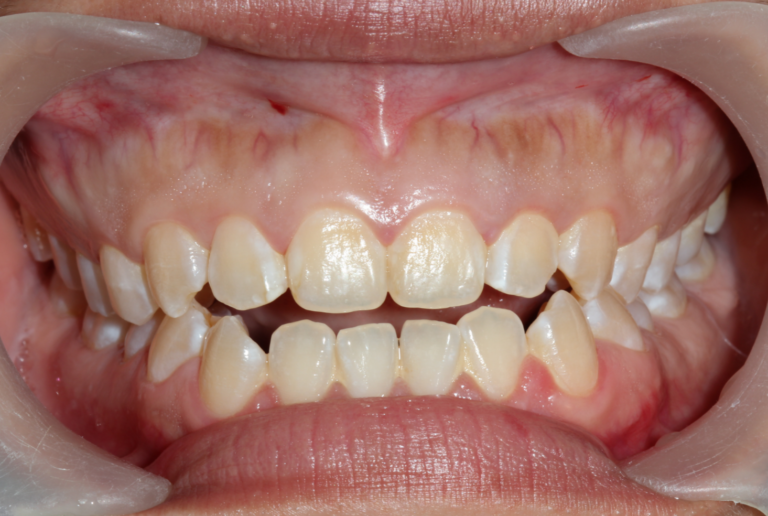
- People with periodontal disease (e.g. red/swollen gums, bleeding, bad breath, or loose teeth).
- Severe tartar buildup affecting gum health.
- If your dentist finds deep pockets where regular scaling can’t remove all the tartar.
| Regular Scaling | Deep Cleaning | |
| Purpose | Removes tartar and plaque from tooth surfaces | Cleans tartar and bacteria deep under the gums and in periodontal pockets |
| Who it’s for | Healthy mouths, preventive cleaning | People with periodontal disease, gum inflammation, or deep pockets |
| Cleaning Area | Tooth surfaces and gum margins | Under the gums, in periodontal pockets, and root surfaces |
| Will it feel uncomfortable? | Mild discomfort or sensitivity (usually tolerable) | May be more uncomfortable; local anesthesia may be provided |
| Frequency | Every 6 months | Depends on severity; usually requires several sessions |
| Treatment Time | About 30–45 minutes | May take 1–2 hours, and may be scheduled in multiple sessions |

3. Does scaling damage teeth?
Many people worry that scaling will damage their teeth. In fact, scaling does not harm teeth or enamel. On the contrary, it is crucial for keeping teeth healthy.Ace Dental dentists emphasize that proper scaling not only does not harm your teeth, but also helps prevent gum disease and improves appearance.
A. Common misconceptions
- Myth 1: Scaling abrades the tooth surface
In reality, scaling targets only tartar and plaque, not enamel. Enamel is the hardest substance in the body, and the tools used in scaling do not damage it.
- Myth 2: Scaling causes tooth sensitivity
Sensitivity after scaling is usually due to previously covered surfaces or roots being exposed after tartar is removed. This sensitivity is temporary and usually disappears within a few days.
B. Benefits of scaling
- Prevents periodontal disease, avoiding tooth mobility or loss.
- Improves appearance by removing surface stains.
- Removes tartar, reducing the risk of gingivitis and bad breath.
If you have any concerns, the Ace Dental dentist team will provide detailed examinations and advice to help you better understand your oral health status.
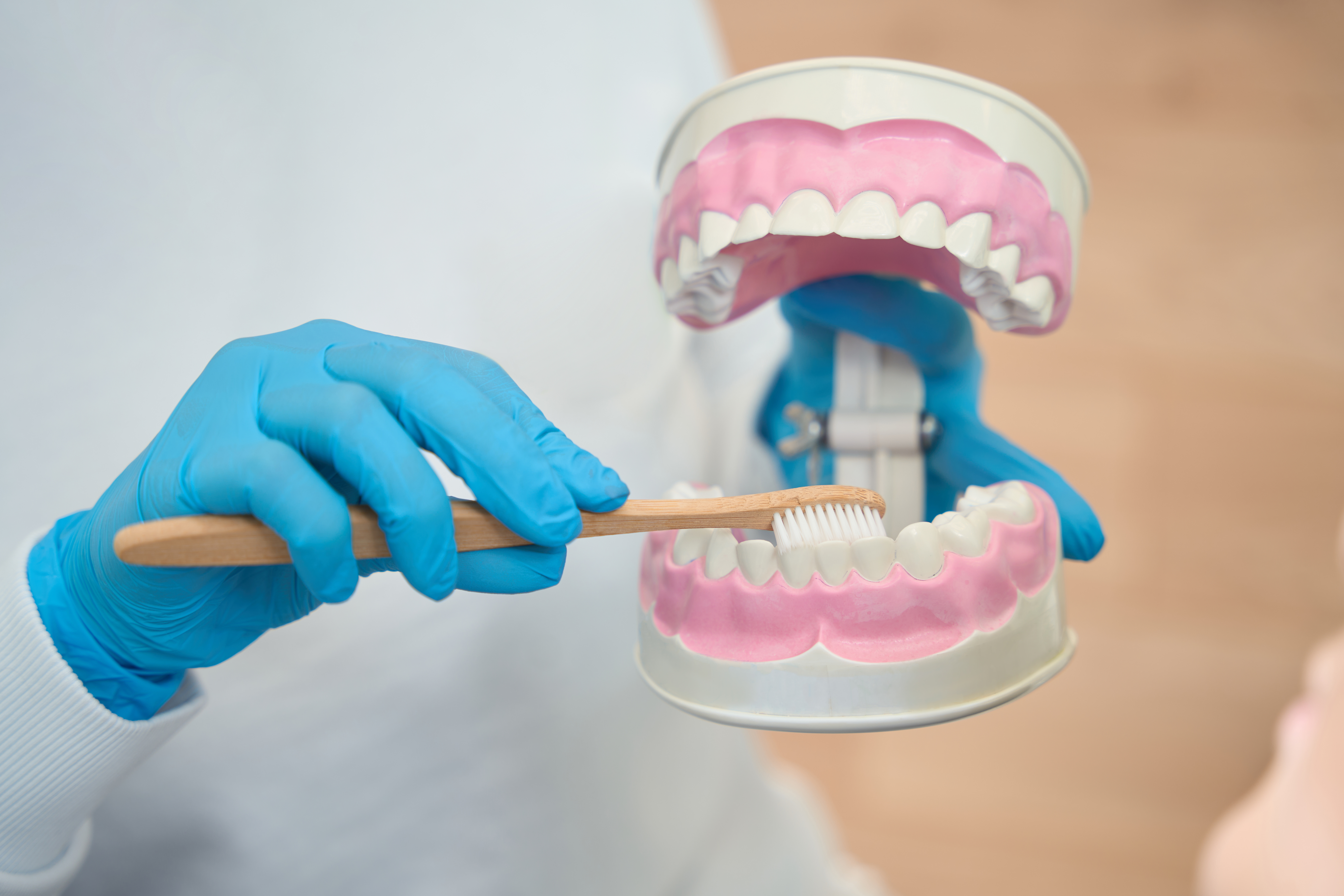
4. How does tartar form?
Tartar forms through several stages, mainly due to plaque buildup and mineral deposits from saliva. If plaque is not removed in time, it gradually hardens into tartar. Once tartar forms, it cannot be removed with regular brushing or rinsing.Ace Dental dentists recommend regular professional scaling to thoroughly remove tartar and prevent further impact on oral health.
A. Plaque buildup
Plaque is a colorless, sticky film of bacteria on tooth surfaces. After eating, especially sugary or starchy foods, bacteria feed and quickly form plaque. If not removed promptly, plaque attaches to tooth surfaces and gum margins.
B. The mineralization process
If plaque is not removed for a long time, it combines with minerals in saliva (such as phosphate and calcium) and gradually hardens into tartar. This process takes about 24-72 hours, and once formed, tartar adheres firmly to the teeth.
C. Where does tartar form?
Tartar usually forms in these areas:
- Gum margins: the most common place for tartar, especially on the tongue side.
- Under the gums: When gum health is impaired, tartar can form beneath the gums, increasing the risk of gum disease.
D. Factors affecting tartar formation
- Oral hygiene: Irregular or insufficient brushing/flossing increases plaque and tartar risk.
- Diet: High-sugar or high-carb diets feed plaque bacteria.
- Saliva composition: People with higher mineral content in their saliva are more prone to tartar.
- Smoking: Smokers’ plaque hardens more easily into tartar, which is usually darker.
- Oral health: If you have gum disease or oral inflammation, tartar may form faster.
5. The relationship between tartar and bad breath
Tartar not only affects appearance but is closely related to bad breath. If not removed, it acts as a breeding ground for bacteria, causing oral odor.Ace Dental dentists point out that tartar buildup is the root of many breath issues, and removing it promptly can help improve breath.
A. How tartar affects breath
- Bacterial growth: The rough surface of tartar harbors bacteria, which release foul odors.
- Periodontal disease: Tartar can cause gum disease, leading to bleeding gums and worse breath.
B. Tips to prevent bad breath
- Regular scaling: Get professional cleaning every 6 months.
- Brush and floss daily to maintain oral cleanliness.
- Avoid smoking and excessive coffee/tea, which promote tartar formation.
6. How to prevent tartar formation?
Although you can’t completely avoid tartar, simple oral care habits can effectively reduce its formation.
A. Daily oral care
- Proper brushing: At least twice daily, especially morning and night.
- Use dental floss: Floss removes food debris and plaque from between teeth.
- Mouthwash: Use fluoride mouthwash to help reduce plaque buildup.
B. Balanced diet
- Reduce sugar intake to avoid rapid bacterial growth.
- Eat more fiber-rich foods to help clean tooth surfaces.
C. Regular dental checkups
The Ace Dental expert team recommends a dental exam and scaling every 6 months to detect and manage any oral problems early.
7. Conclusion: Scale regularly to prevent gum disease!
Whether regular or deep scaling, removing tartar is vital for oral health. Ignoring tartar buildup can cause gum inflammation and even loose teeth. It’s recommended to have professional scaling every 6 months and to choose the right type as advised by your dentist.
If you’re unsure if you need deep cleaning, or want regular professional cleaning, feel free to contact the Ace Dental dental team. We’ll provide you with a professional checkup and a personalized treatment plan to help you achieve a healthy, beautiful smile!
Contact us anytime to book your scaling service!