

Having a set of bright white teeth not only makes your smile radiate confidence, but also improves your overall appearance, making you look cleaner, younger, and even more attractive. In modern society, whether at job interviews, romantic dates, weddings, or daily social occasions, a white smile can truly add points to your impression. According to the American Dental Association (ADA), over 80% of people believe the appearance of teeth significantly affects first impressions, which explains why teeth whitening has become such a hot topic.
However, many people still have questions about teeth whitening: “Will whitening damage my teeth?” “How long will the effect last?” “Can people with sensitive teeth undergo whitening?” These questions may seem simple but involve the science of dental health and personal habits. Today, we will answer the five most common questions in depth to help you fully understand the principles and effects of teeth whitening, and how to choose the best method for your needs.
1. What is the principle of teeth whitening? Will it damage my teeth?
The core principle of teeth whitening is not complicated: it uses chemical agents to break down pigment molecules inside the teeth, restoring their natural whiteness. Tooth discoloration usually falls into two categories: extrinsic stains (surface stains from coffee, tea, tobacco, etc.) and intrinsic stains (internal discoloration due to aging or medication). Whitening treatments target these pigments to refresh your teeth from the inside out.
Currently, the main teeth whitening methods can be divided into four categories, each with its own mechanism, advantages, and limitations:
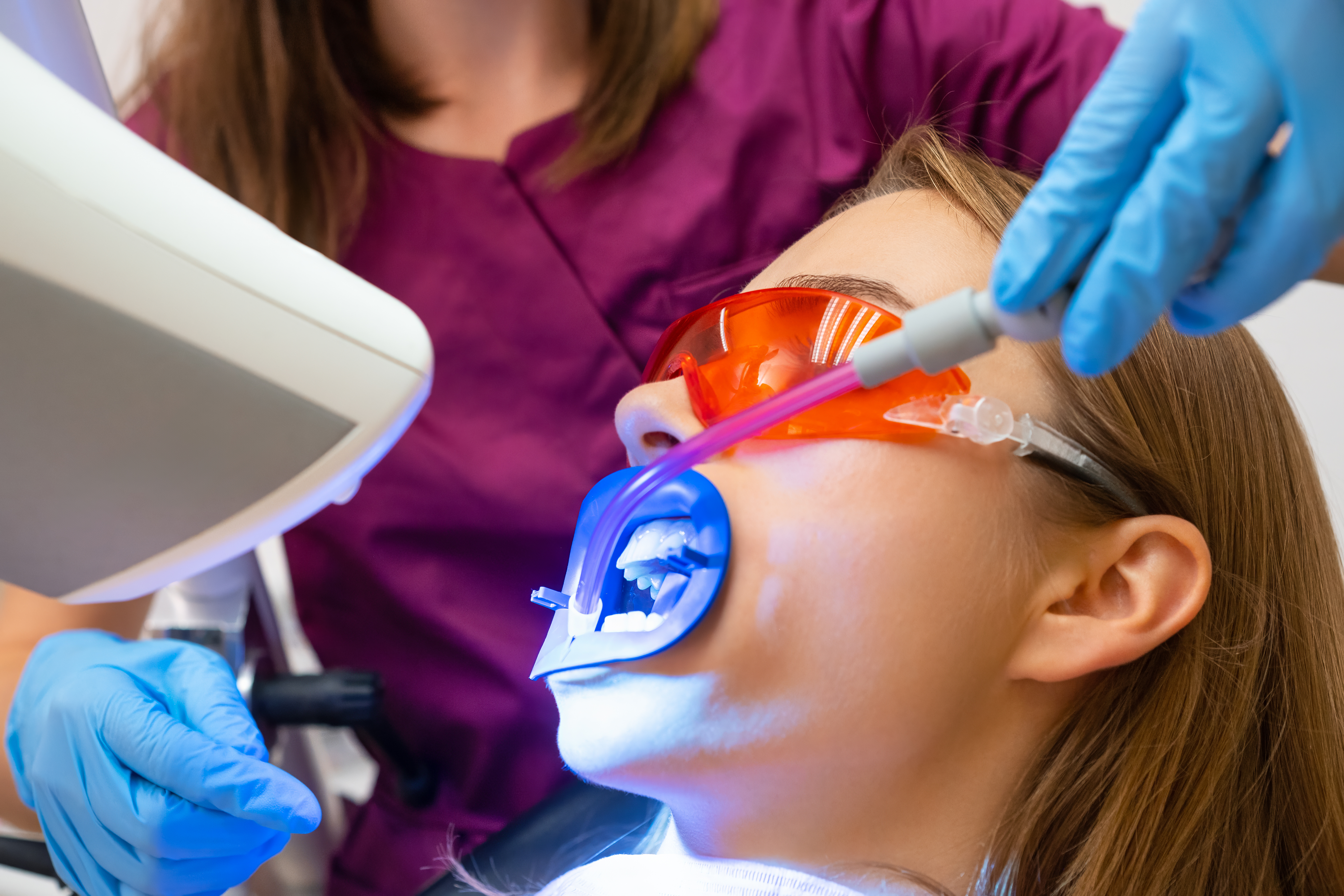
(1) In-Clinic Professional Whitening (LED/Zoom Whitening)
This is one of the fastest and most effective whitening methods, usually performed in a dental clinic. The dentist uses a high concentration of hydrogen peroxide (about 25%-40%) or carbamide peroxide, together with a LED lamp, laser, or heat device to accelerate the penetration and breakdown of pigments inside the teeth. The procedure is usually completed within an hour, with significant results—teeth can improve by 6-8 shades (according to the VITA shade guide).
- Pros: Fast and dramatic results, ideal for those about to attend important events like weddings or interviews.
- Cons: Higher cost, and due to the strong concentration, some people may experience temporary tooth sensitivity after treatment, usually resolving within 24-48 hours.
(2) At-Home Whitening (Trays/Strips)
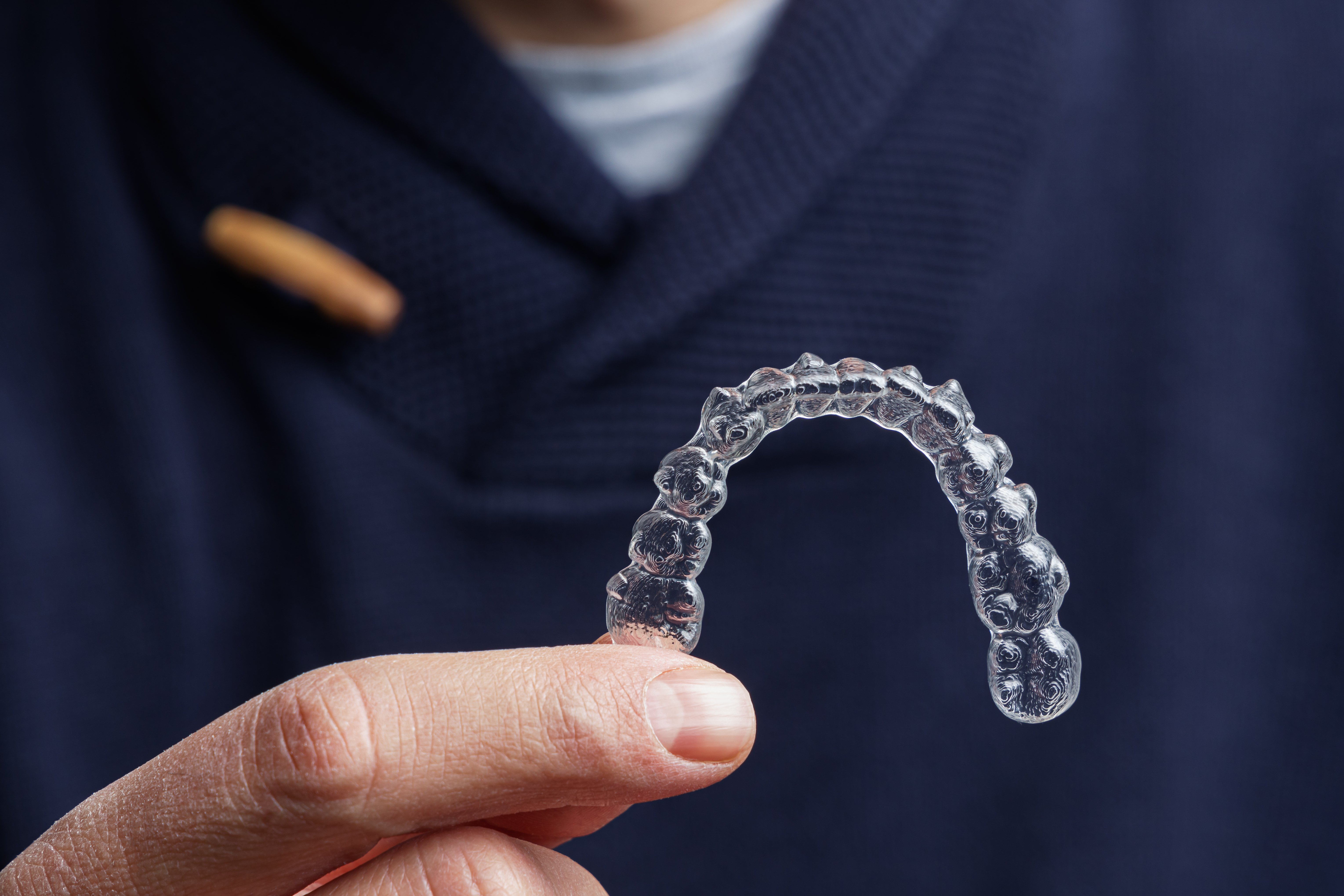
If you want a more economical and self-managed method, at-home whitening is a good choice. The dentist will make custom trays for your teeth and provide a lower concentration whitening gel (about 10%-15% hydrogen peroxide) for use at home. Wear for a few hours daily for 2–4 weeks to see results. There are also many over-the-counter (OTC) products with even lower concentrations (around 6%-10%), suitable for first-timers.
- Pros: Affordable, flexible timing, and you can control the process yourself.
- Cons: Results appear more slowly, and patience is needed. Improper use (such as wearing too long) may cause mild irritation.
(3) All-Ceramic Veneers
All-ceramic veneers are a more advanced solution for whitening and tooth repair, offering long-term results. The dentist creates ultra-thin porcelain veneers (about 0.3-0.5mm thick) to bond to the tooth surface. This instantly whitens teeth, corrects shape, fills gaps, and can even fix minor misalignments.
- Pros: Natural and long-lasting effect (can last 10-15 years or more), highly stain-resistant, suitable for those pursuing a perfect smile.
- Cons: Expensive, and requires slight removal of enamel, which is irreversible.
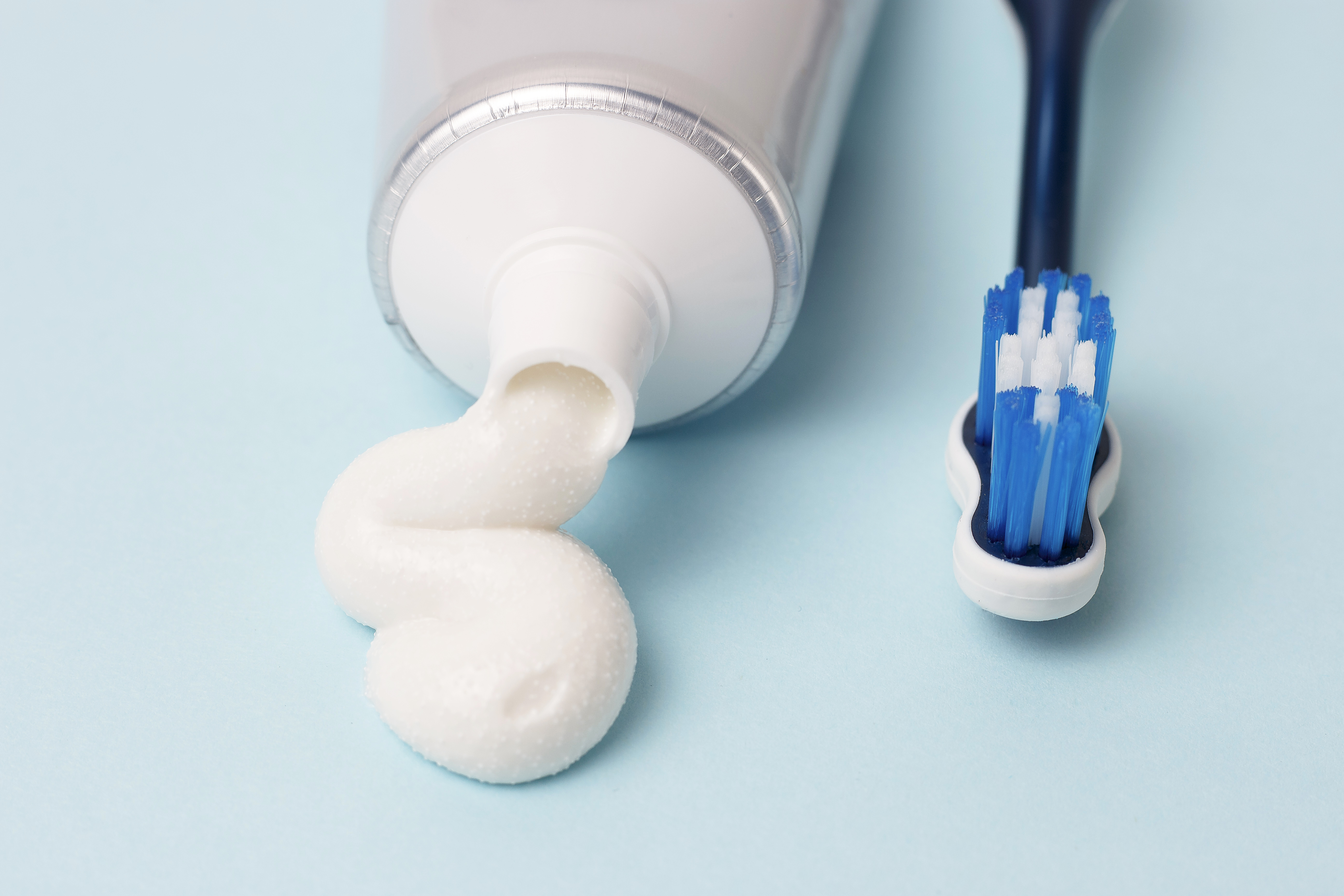
(4) Whitening Toothpaste & Polishing Powders
These are the most common daily whitening products, usually containing abrasive particles (like silica) or low-concentration whitening agents (like peroxide) to remove light surface stains. However, they do not penetrate the tooth, so they cannot address deep stains.
- Pros: Inexpensive, suitable for daily maintenance.
- Cons: Limited effect, cannot achieve dramatic whitening, only serves as an adjunct.
Will whitening damage my teeth?
Many people worry that whitening makes teeth fragile, but this is a common misconception. Proper whitening (under dentist supervision) does not damage enamel, as hydrogen peroxide breaks down pigment molecules without eroding tooth structure. Research shows moderate use of gels under 40% concentration has minimal effect on enamel. However, frequent use of high-concentration products or buying unknown brands can cause tiny cracks, increasing sensitivity risk. Professional assessment and moderate use are key.
2. How long does teeth whitening last?
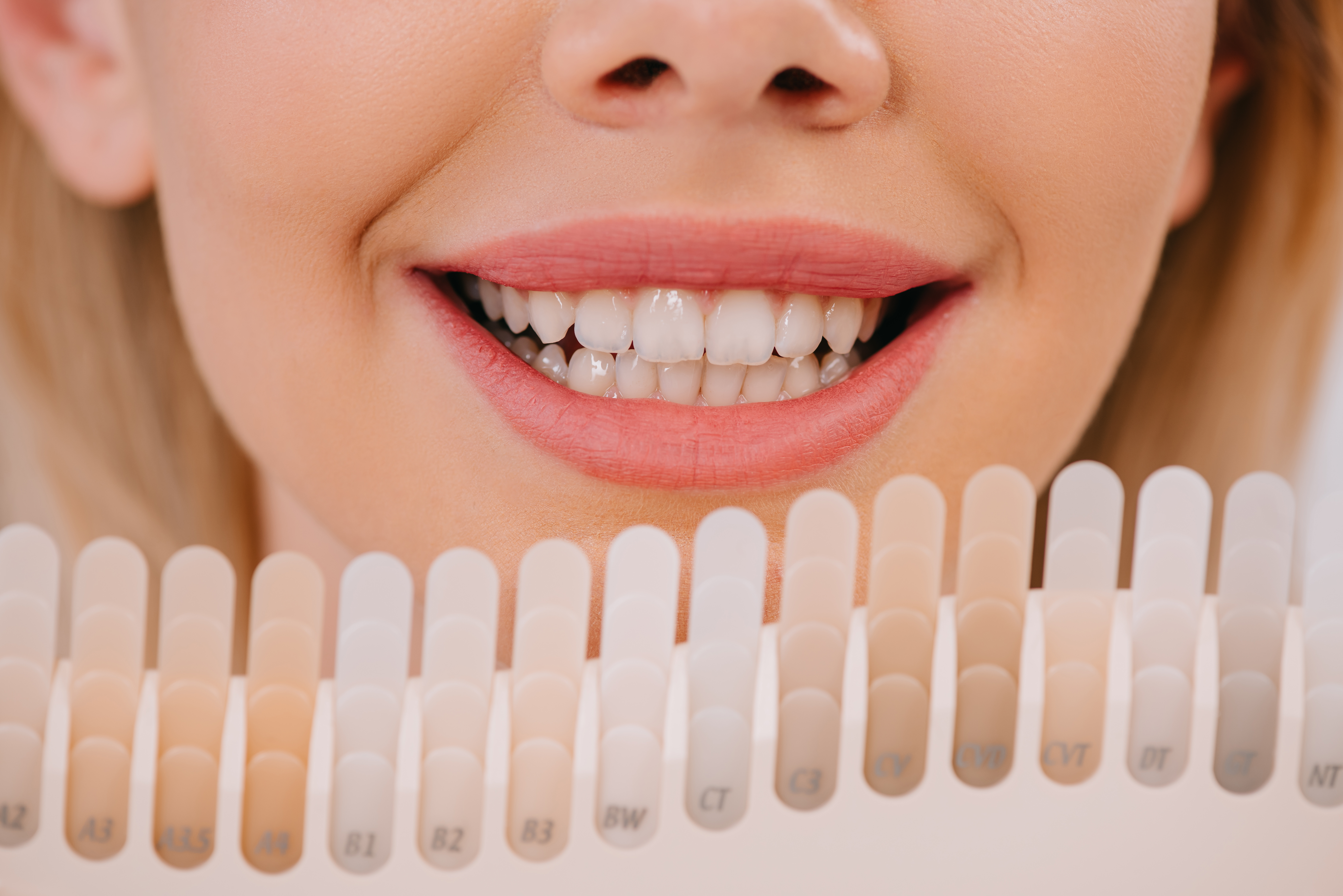
Teeth whitening results are not permanent. The duration depends on your lifestyle and oral care. In general, professional whitening lasts 6 months to 2 years, while at-home whitening may be a bit shorter. The main factors are:
(1) Dietary habits
Diet is the biggest variable affecting tooth color. Pigments in dark foods and drinks (such as tannins and anthocyanins) adhere easily to teeth, accelerating staining. For example:
- High-risk foods: coffee, red wine, green tea, cola, curry, blueberries, cherries.
- Low-risk foods: white rice, chicken, milk, apples, celery. These foods contain little pigment and stimulate saliva production, helping to clean the mouth.
(2) Oral hygiene habits
Good oral hygiene can greatly extend the whitening effect:
- Brushing: Brush twice daily for at least 2 minutes each time, using a soft-bristled toothbrush and fluoride whitening toothpaste.
- Floss: Removes food particles and stains between teeth, preventing plaque buildup.
- Scaling: Every 6 months, have a professional cleaning to remove tartar and keep teeth smooth.
(3) Maintenance after whitening
The first few months after whitening are crucial. It is recommended to:
- Use at-home whitening trays or strips to touch up every 6-12 months.
- Avoid smoking, as nicotine quickly stains teeth yellow.
- Have regular dental checkups to ensure no hidden issues are affecting your results.
Tip: If you love coffee, try drinking it with a straw to reduce contact with your teeth. Rinse your mouth right after eating blueberries to reduce staining.
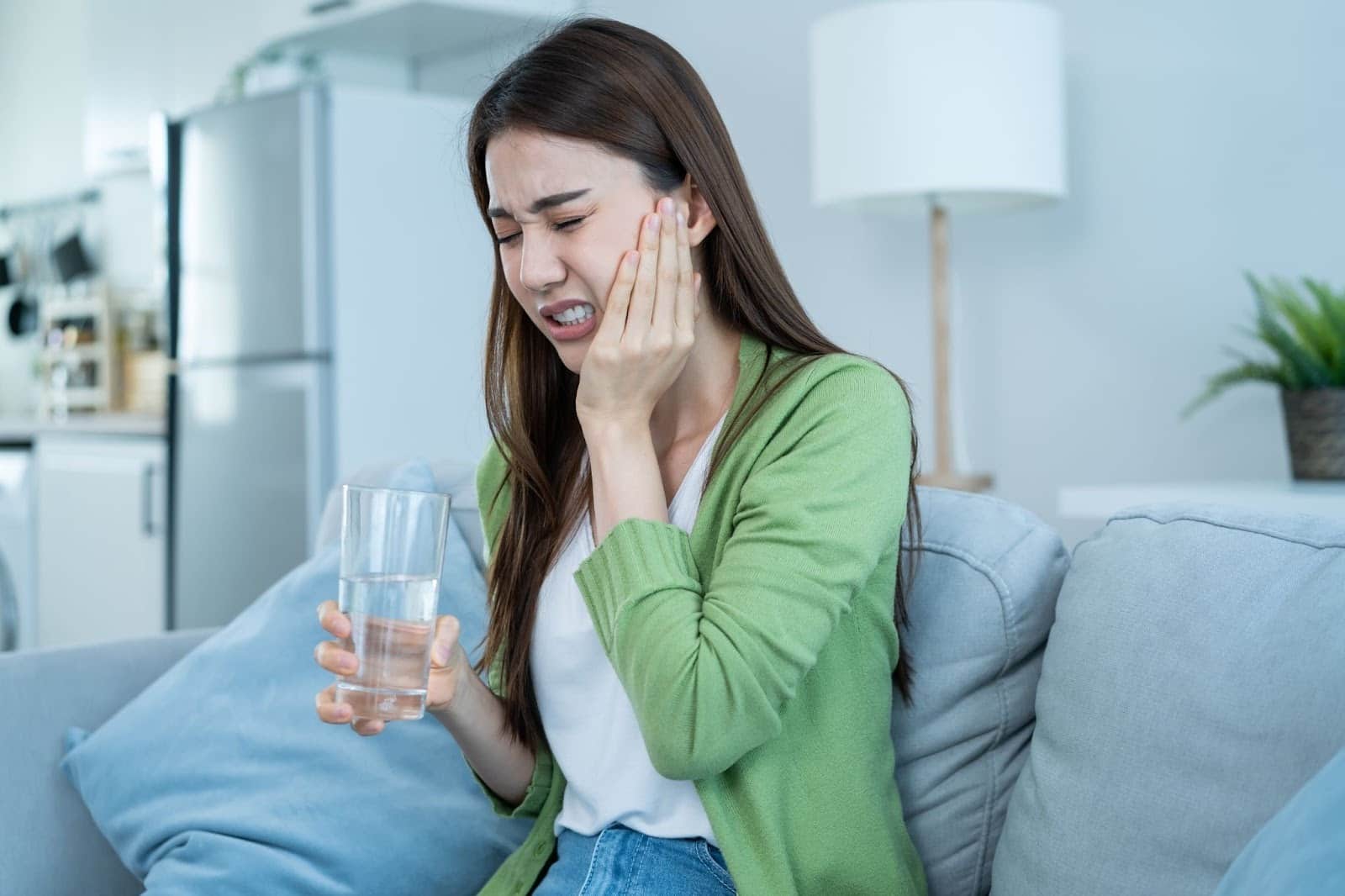
3. Can people with sensitive teeth undergo whitening treatment?
People with sensitive teeth can still whiten their teeth, but should choose their method carefully and take precautions. Sensitivity is usually due to thin enamel or exposed dentin, which may cause brief pain when whitening agents penetrate. Here are some tips:
- Low-concentration whitening: Use at-home products below 10% concentration to reduce irritation.
- Intermittent whitening: Shorten each use to 30 minutes and do it every other day to avoid repeated irritation.
- Desensitizing toothpaste: Use toothpaste containing potassium nitrate or fluoride (like Sensodyne) before and after whitening on sensitive areas.
- Professional advice: Get your teeth assessed by a dentist to avoid excessive whitening that could harm your enamel.
4. Do you need a dental checkup before whitening?
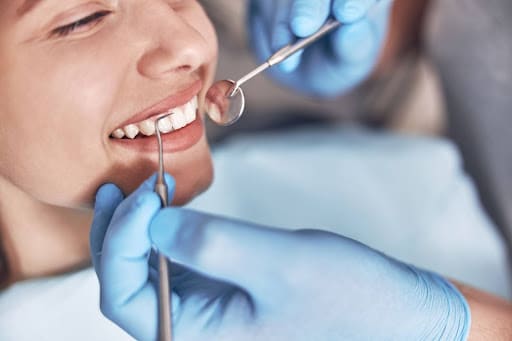
Yes! A dental checkup before whitening not only ensures a smooth treatment but also helps avoid potential risks. If the following issues aren’t treated, they may affect the results or cause discomfort:
- Cavities: Whitening gel can seep into decayed areas and cause severe pain.
- Periodontal disease: Inflammation or loose teeth can be aggravated by whitening.
- Tartar: Surface tartar buildup blocks the whitening agent, reducing effectiveness.
Recommended steps:
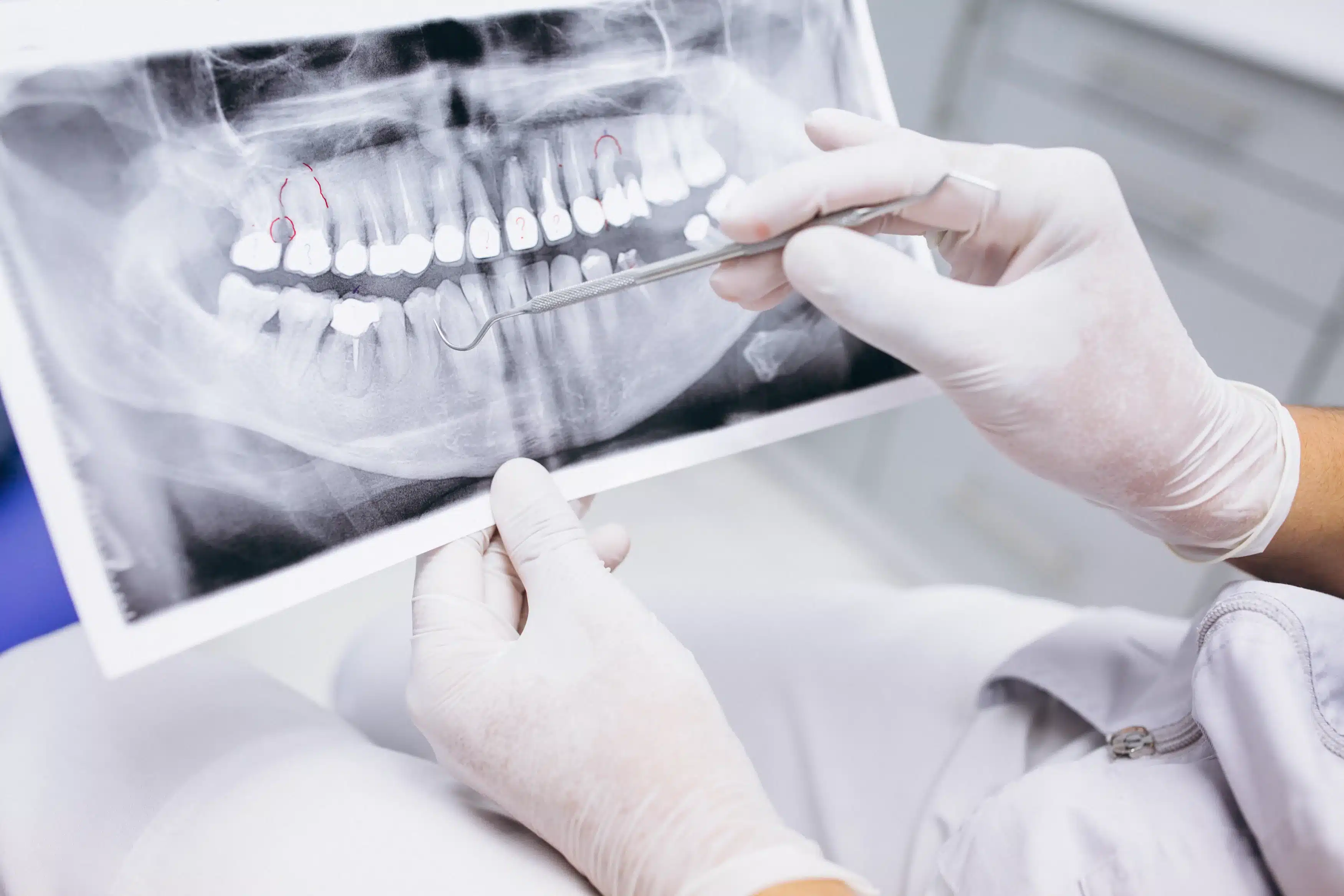
- Book a dental checkup and take X-rays to confirm your dental health.
- Get professional scaling to remove tartar and plaque.
- Choose an appropriate whitening method based on your dentist’s advice.
Ignoring a dental exam can have serious consequences. For example, whitening over untreated cavities can cause unbearable pain and may force you to stop the treatment.
5. What should you pay attention to before and after whitening?
Before Whitening
- Have a dental checkup and cleaning one week beforehand.
- Avoid dark drinks (like coffee, tea); switch to water or light tea.
- Drink more water to keep your mouth moist and reduce pigment attachment.
After Whitening
- Within 24 hours: Avoid dark foods (like soy sauce, red wine) and smoking, as this is when teeth are most susceptible to staining.
- Long-term care: Use a straw for drinks and desensitizing toothpaste to reduce discomfort.
- Diet adjustment: Eat more fiber-rich fruits and vegetables (like apples, carrots) to help naturally clean your teeth.
Summary: Always get a professional evaluation before teeth whitening!
Teeth whitening is not a one-size-fits-all solution. Everyone’s dental condition, lifestyle, and needs are different, so always consult a professional dentist before choosing a method. Whether you want quick results or long-term effects, a professional assessment will ensure safety and the best outcome.
If you’re still hesitating about teeth whitening, feel free to contact the Ace Dental team. We provide comprehensive oral examinations and personalized treatment plans to help you achieve a healthy, radiant smile. Book your teeth whitening service today!